
A compressed-air improvement project needs measurements that explain how demand, pressure, and compressor operation interact. Electricity consumption alone cannot show whether the system is serving productive demand, compensating for leaks, or running inefficiently at low load. Plan the measurement boundary before recommending equipment or control changes.
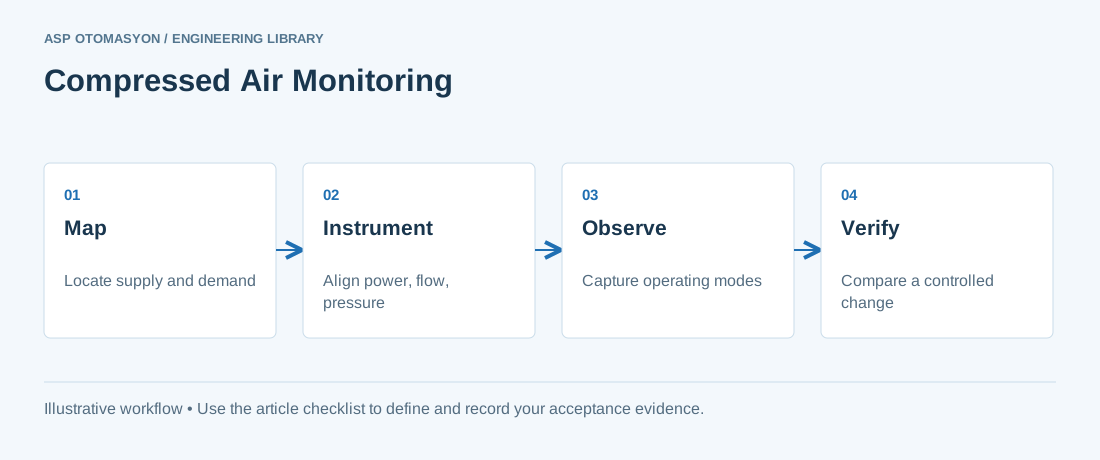
Design the requirement before the configuration
Identify compressors, dryers, storage, distribution zones, and significant users. Collect electrical energy or power, delivered flow with its stated reference conditions, pressure at relevant points, and operating state. Align timestamps and capture production context. A flow reading in actual volume is not directly interchangeable with a normalized volume without the required conditions. Observe a representative operating cycle rather than selecting an unusually quiet or busy shift.
Worked scenario
An illustrative review finds nearly unchanged electrical demand during a period with substantially lower production. That observation suggests a useful investigation, not a quantified leak rate. Compare compressor loading, system pressure, isolated-zone tests where approved, and demand from non-production users. Verify the effect of any change against the same measurement boundary.
What to verify
| Check | Evidence to record |
|---|---|
| Power | Compressor and relevant auxiliary loads included |
| Flow | Location, direction, range, and reference conditions recorded |
| Pressure | Supply and critical user locations compared |
| Context | Production states, schedules, and exceptional uses recorded |
Acceptance and handover
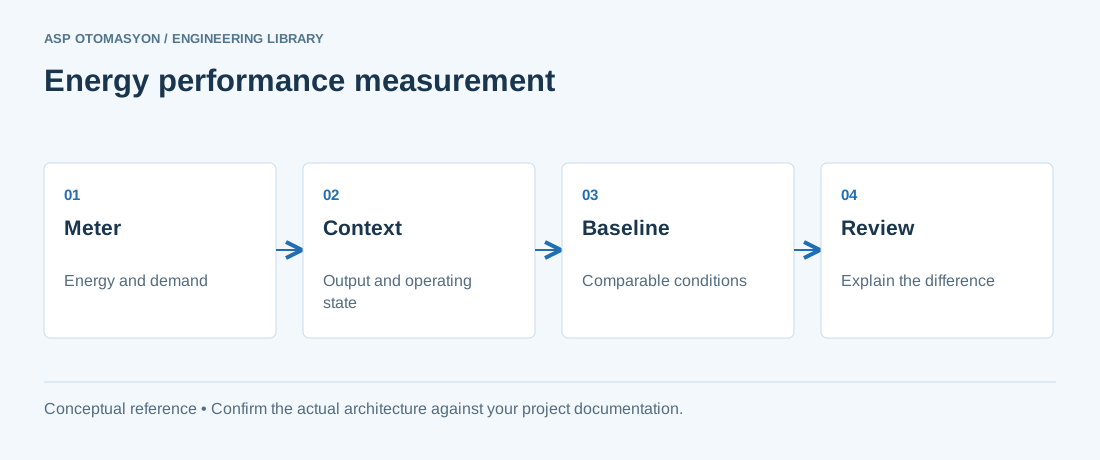
Create a time-aligned baseline with data-quality checks. After an approved improvement, compare equivalent operating conditions and examine whether pressure service was maintained. Keep estimated savings separate from measured results, and document any changed production or boundary conditions.
Continue the engineering work
Use the related technical library for deeper background, or follow an ASP project guide to plan the implementation sequence.
Primary references and further reading
Use the original specifications and product documentation for implementation details. The examples in this guide are illustrative engineering scenarios, not published project results.