
ISA-18.2 — Management of Alarm Systems for the Process Industries — is the international standard that defines the lifecycle, design, and performance management of alarm systems in process manufacturing. Poor alarm management is a contributing factor in major industrial incidents worldwide. ISA-18.2 provides a systematic methodology to ensure that alarms are meaningful, actionable, and do not overwhelm operators during abnormal situations.
The Alarm Management Lifecycle
ISA-18.2 defines a comprehensive lifecycle with 10 stages:
  ┌──────────────────────────────────────────────────────────────┐
  │                  ALARM MANAGEMENT LIFECYCLE                    │
  │                                                                │
  │  1. Philosophy ───────────> 2. Identification ───>         │
  │         │                         │                           │
  │         │                  3. Rationalization ───>           │
  │         │                         │                           │
  │         │                  4. Detailed Design ────>           │
  │         │                         │                           │
  │         │                  5. Implementation ─────>           │
  │         │                         │                           │
  │         │                  6. Operation ──────────>           │
  │         │                         │                           │
  │         │                  7. Maintenance ────────>           │
  │         │                         │                           │
  │         │                  8. Monitoring &        │           │
  │         │                     Assessment ◄──────────┘           │
  │         │                         │                           │
  │         │                  9. Management of       │           │
  │         │                     Change ──────────────┘           │
  │         │                         │                           │
  │         └─────────── 10. Audit ◄──┘                           │
  └──────────────────────────────────────────────────────────────┘
Alarm Philosophy (Stage 1)
The alarm philosophy document is the foundation of the entire alarm management program. It defines:
- Definitions of an alarm, event, and alert.
- Alarm priority determination methodology.
- Performance targets (KPIs) for the alarm system.
- Roles and responsibilities for alarm management.
- Methods for identification, rationalization, and design.
- Requirements for HMI presentation and shelving.
Alarm Prioritization
ISA-18.2 requires that every alarm be assigned a priority based on:
- Severity of consequences — What is the impact if the operator does not respond? (Safety, environmental, financial, quality)
- Time to respond — How long does the operator have to take action before the consequence occurs?
The standard recommends a maximum of three priority levels for most facilities:
| Priority | Typical Distribution | Response Time | Consequence Severity |
|---|---|---|---|
| High | ~5% of alarms | < 5 minutes | Safety, environmental, major equipment damage |
| Medium | ~15% of alarms | 5–15 minutes | Production impact, quality deviation |
| Low | ~80% of alarms | > 15 minutes | Operational inconvenience, minor efficiency loss |
Performance Metrics (KPIs)
ISA-18.2 defines specific performance targets for alarm systems:
| Metric | Target | Description |
|---|---|---|
| Average alarm rate (normal) | ≤ 1 alarm per 10 minutes per operator | Steady-state alarm annunciation rate. |
| Average alarm rate (upset) | ≤ 10 alarms per 10 minutes per operator | Maximum acceptable rate during process upsets. |
| Percentage of time in flood | < 1% | Time when alarm rate exceeds 10 per 10 minutes. |
| Stale alarms | < 5% | Alarms active for > 24 hours without operator action. |
| Chattering/fleeting alarms | < 1% | Alarms that repeatedly activate and clear. |
| Percentage of high-priority alarms | < 5% | High-priority alarms should be rare and meaningful. |
| Standing alarm count | < 10 (normal), < 25 (upset) | Number of alarms currently active. |
Common Alarm Problems
- Alarm floods — During a major upset, hundreds of alarms can flood the operator within minutes, making it impossible to identify the root cause. This is the most dangerous alarm problem.
- Nuisance alarms — Alarms that activate under normal conditions or provide no useful information. Operators learn to ignore them.
- Stale alarms — Alarms that remain active indefinitely because the condition persists but is no longer actionable.
- Improper prioritization — Too many high-priority alarms dilute the meaning of urgency.
- Poorly designed setpoints — Alarms set too close to normal operating range cause frequent activation.
Advanced Alarm Techniques
ISA-18.2 supports advanced techniques to reduce alarm load and improve operator effectiveness:
- State-based alarming — Alarm setpoints and enable/disable status change based on the current operating state (startup, normal, shutdown, batch phase).
- Alarm shelving — Operator-initiated temporary suppression of a known nuisance alarm for a defined period (maximum 8–12 hours).
- Alarm suppression by design — Suppressing consequential alarms when a higher-priority alarm already indicates the root cause (e.g., suppress all pump-running alarms when the pump-fail alarm activates).
- Dynamic prioritization — Adjusting alarm priority based on current operating context or time-to-consequence.
- Alarm rationalization — Systematic review of every candidate alarm to determine if it is needed, its proper priority, setpoint, and required operator response.
Relationship to ISA-101 HMI
Alarm management and HMI design are closely linked. ISA-101 high-performance HMI principles support effective alarm management by:
- Using consistent alarm indication (color, shape, position) across all displays.
- Displaying alarm summary information prominently without cluttering the process overview.
- Providing alarm context — showing the process condition that caused the alarm.
- Supporting operator navigation from alarm to the relevant process display.
ASP OTOMASYON conducts alarm rationalization workshops and implements ISA-18.2-compliant alarm management systems for process industry clients, reducing alarm floods and improving operator situational awareness.
Apply this to your project
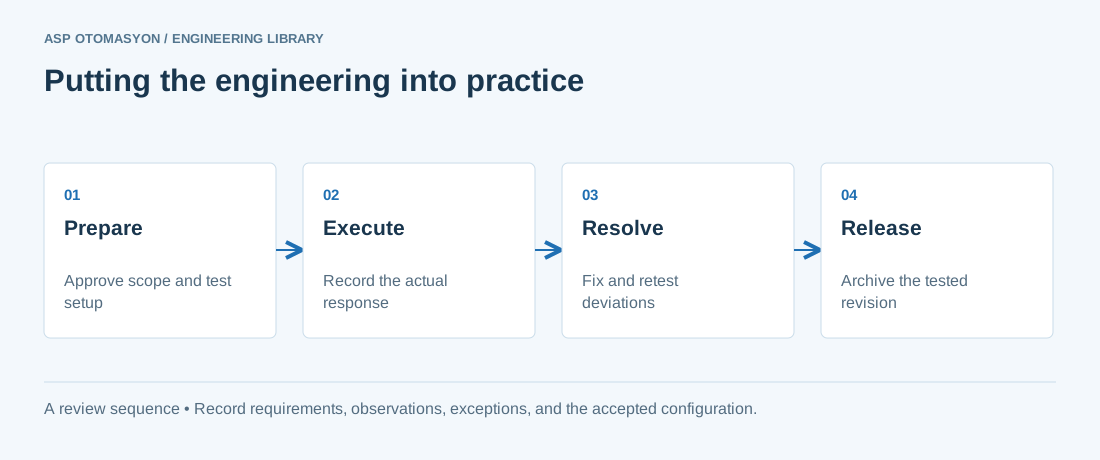
- Agree the test boundary and site authorization, especially where outputs or communications can affect operating equipment.
- Record expected and actual values, equipment identifiers, software revision, test conditions, and exceptions.
- Retest changed behavior and archive the final configuration with the test record and recovery instructions.
Follow an ASP project guide to connect the fundamentals with implementation and acceptance.
Primary references and further reading
Use the original specifications and product documentation for implementation details. The examples in this guide are illustrative engineering scenarios, not published project results.